TMJ and TMD
TMJ stands for temporomandibular joint. There’s one on each side of your face, and it’s how you’re able to open and close your jaw to eat, speak, drink, smile, and breathe. Temporomandibular disorders (TMD) are what we call a group of conditions that cause pain and dysfunction of the TMJ.
The TMJ is highly innervated and sensitive to even small imbalances or tension. When one or both of your TMJs are out of balance, it can cause:
- Headaches
- Neck soreness
- Shoulder soreness
- Ear aches
- Jaw pain
- Difficulty chewing, yawning, or speaking
- A popping or clicking sound from your jaw
TMJ dysfunction and Obstructive Sleep Apnea (OSA) frequently go hand-in-hand. When your airway repeatedly collapses during sleep, your brain instinctively forces your lower jaw forward to open it back up, putting repetitive strain on your jaw. Left untreated, sleep apnea can directly trigger or worsen TMD, creating a vicious cycle of poor sleep and chronic pain.
Temporomandibular Disorders
There are over 30 conditions that can cause pain and discomfort in the TMJ. Some of the most common causes include:
- Teeth clenching
- Chewing on pens, ice, nails
- Poor posture
- Muscle tension due to high levels of stress
TMD Treatments
At Buck’s County Dental Sleep Medicine and TMJ Therapy, we offer several noninvasive TMD treatment options that help reduce TMJ pain.
Cold Laser Therapy
Cold laser therapy is a special wavelength of light that gently cools the tissues around your TMJ. These sessions last about 20 minutes, and most patients notice improvements after one visit.
Cold laser therapy can also help:
- Relax tight or overworked jaw and facial muscles
- Stimulate circulation to accelerate healing and recovery
- Offer an option for drug-free pain relief
What’s great about the cold laser is that you can get as many treatments as you need as a part of a safe, long-term plan with our practice.

Custom Oral Splints
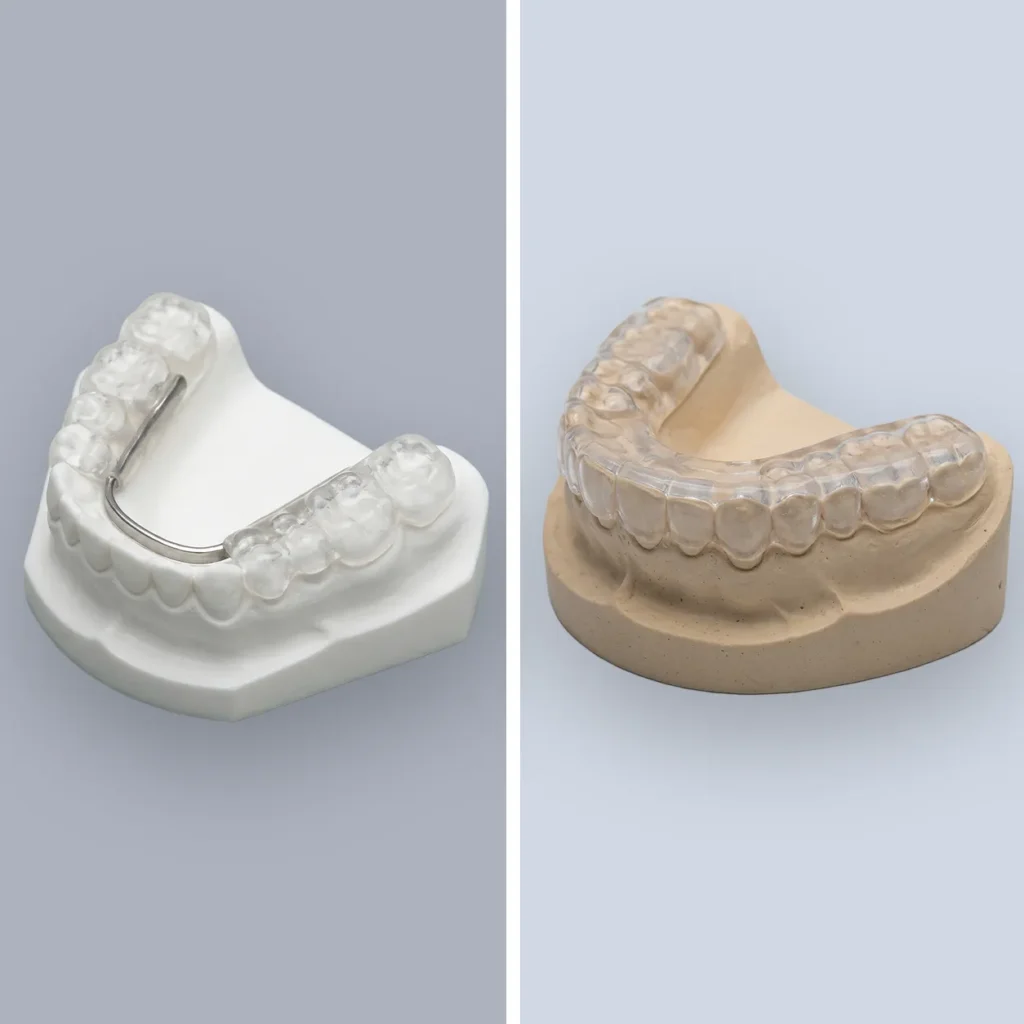
Oral splints are designed only for your individual bite. They help reposition your jaw into better alignment to relieve your TMJ, prevent teeth grinding and clenching, and relax your jaw muscles.
Unlike generic night guards, custom oral splints are designed specifically for your bite, jaw position, and treatment goals. By creating a more balanced jaw relationship, a splint can help reduce strain on the temporomandibular joints and surrounding muscles.
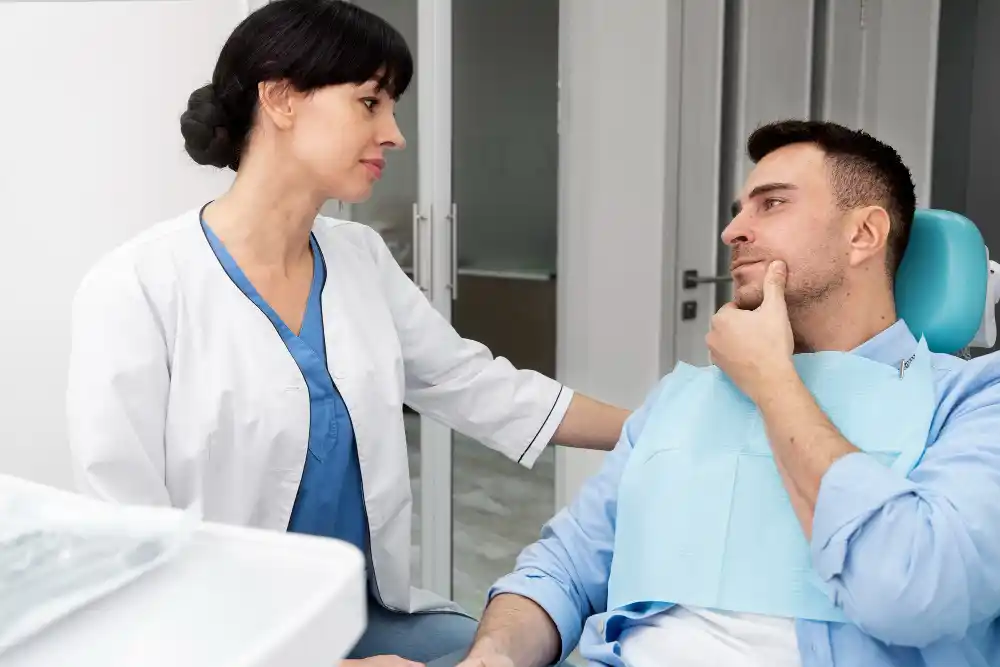
Because every case of TMD is different, Dr. Rickert carefully evaluates your symptoms, bite, and jaw function before recommending a splint. The goal is to improve jaw comfort, support healthier function, and create a more stable foundation for long-term symptom relief.
Benefits of a Custom Oral Splint
- Helps reduce pressure on the TMJ
- Minimizes effects of teeth grinding and clenching
- Promotes relaxation of overworked jaw muscles
- Protects teeth from excessive wear and damage
- May help reduce headaches associated with TMD
- Designed for your unique bite and jaw alignment
- Comfortable enough for long-term use when recommended
FAQs
What’s the difference between TMJ and TMD?
The TMJ refers to the temporomandibular joint itself; you have one on either side of your head, and it’s the hinge that connects your jaw to your skull.
TMD refers to temporomandibular disorders and is what causes TMJ pain, dysfunction, and discomfort.
What causes TMJ disorders?
Some of the main causes of TMJ disorders are:
- Bruxism, or habitual teeth clenching or grinding
- Chronic stress
- Trauma to the head
- Arthritis in the TMJ
- Obstructive sleep apnea
Is it normal for my jaw to click or pop?
While many people experience jaw clicking or popping, it is actually not a normal function of your jaw. Even if it doesn’t currently hurt, a clicking sound indicates an underlying mechanical issue within the temporomandibular joint (TMJ).
If you are hearing these sounds, especially if they are accompanied by pain, pressure, locking, or difficulty eating, it’s important to schedule a professional evaluation with Dr. Rickert to address the dysfunction and prevent future complications.
Can you fix a TMJ disorder without surgery?
Yes! In most TMD cases, we can help fix the problem without invasive surgery. Cold laser treatments, custom oral splints, and orthodontic treatment are some of our most popular treatment options.
What's the difference between a custom oral splint and a store-bought night guard?
Store-bought night guards are designed to provide general protection against teeth grinding, but they aren’t customized to your bite or jaw position and in some cases can make the problem worst. A custom oral splint is carefully designed to support proper jaw alignment and address the underlying factors contributing to TMD symptoms.