
Snoring

Snoring is a part of life that everyone may experience at some point. When the soft tissues in your throat relax after you fall asleep, these tissues can obstruct your airway.

Snoring accompanied by persistent daytime fatigue, even after a full night’s sleep, could be a sign of obstructive sleep apnea.

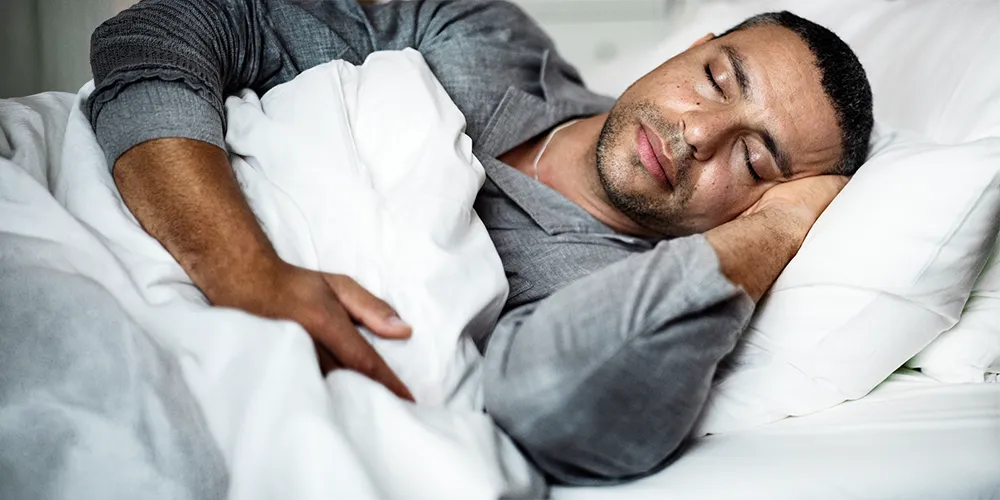
Man Relaxing and Sleeping in Bedroom at Home
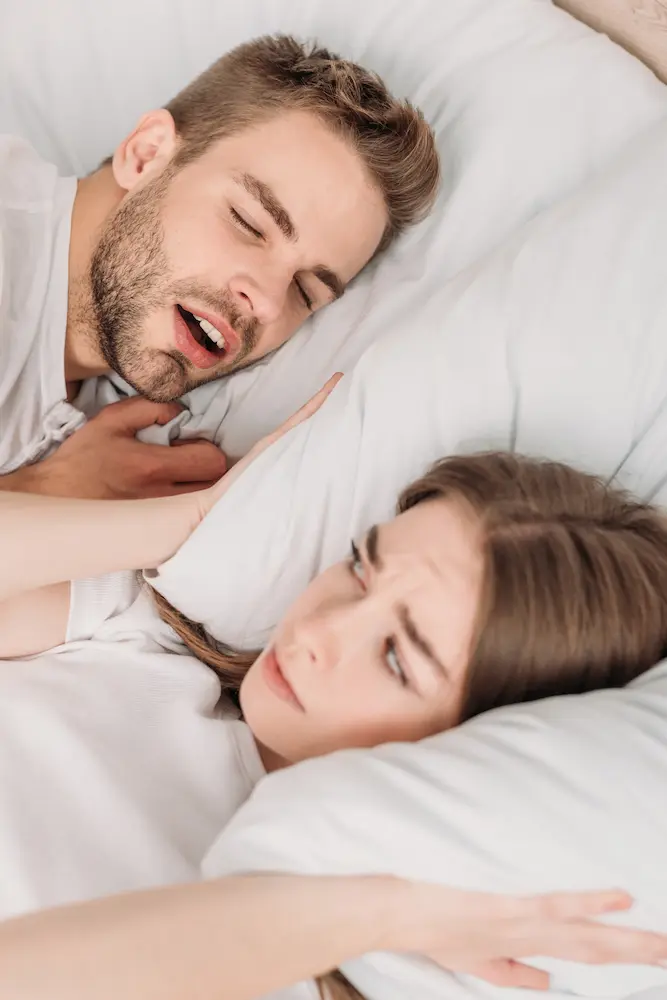
Annoyed Woman Next To Snoring Man in Bed

Snoring and Sleep Apnea

Not everyone with sleep apnea is going to snore, but snoring is one of the most common symptoms. This kind of snoring is loud and may even wake other members of the house and disrupt their sleep.

When the soft tissue in your throat relax after you fall asleep, these tissues can obstruct your airway. The air you inhale then vibrates these tissues, which makes the sounds we know as snoring.

If these tissues relax too much, they can completely obstruct your airway, preventing you from breathing. The time when you are physically not breathing often sounds like a pause in your loud snoring for up to 30 seconds on average.

Obstructive Sleep Apnea is More Than Snoring

A complete sleep cycle is necessary for your brain and body to stay healthy. If you’re experiencing sleep apnea and stop breathing multiple times during the night, you aren’t able to complete a full sleep cycle.

Obstructive sleep apnea is a common condition that can further lead to serious health risks if left untreated, such as heart disease, high blood pressure, and an increased risk of stroke.

If you snore and experience one of the following symptoms, you may benefit from a comprehensive evaluation from Dr. Rickert and a personalized treatment plan:

Comfortable and Effective Snoring Treatment Options

Depending on the severity of your snoring and any other relevant conditions, we offer a range of treatments.

oral laser icon

Solea Laser Treatments

The Solea Laser is a non-surgical, painless, and gentle treatment that tightens the soft tissues in your airway to stop the vibrations that cause snoring. It uses a low-energy beam that targets collagen in these soft tissues, activating it to tighten the fibers and reduce laxity.

As these collagen cells form new bonds, your airway becomes firmer, and your snoring is no longer an issue for you or your partner.

This special type of laser is one of the easiest and quickest treatments we offer at our practice. It takes only a few minutes with virtually no downtime. At most, you should feel a gentle warming sensation.

lower jaw icon

Oral Appliance

Oral appliances are one of the most discreet alternatives to CPAP therapy for snoring or sleep apnea. They fit much like a mouth guard and reposition the tongue and jaw to keep your airway open while you sleep.

These appliances are custom-fitted to you, are the most portable snoring treatments, and are quite effective at reducing snoring overall and helping you achieve drastically improved sleep over time

airway icon

Airway Expansion Therapy

This treatment focuses on addressing the structural issues in your throat that cause you to snore and is a great long-term option. This therapy creates more airway space by widening the upper airway and reducing overall vibrations of the soft tissues.

Airway expansion therapy is beneficial if you have an underdeveloped jaw or narrow arches.

Regardless of the treatment, our team will always discuss which treatments are right for you, and answer any questions you may have.

FAQs

What causes snoring?

Snoring occurs when the air you breathe in vibrates the soft tissues of your throat and palate. This can happen if you are sleeping flat on your back, have large tonsils, a deviated septum, or a long soft palate.

Snoring can indicate a serious sleep disorder called sleep apnea. If you wake up gasping, experience extreme daytime fatigue, or have a partner who reports you stop breathing during the night, it’s important to schedule an appointment as soon as possible.

No, snoring is not normal, but can happen when someone is ill or has consumed alcohol. In these cases, it would be temporary. If snoring becomes a daily issue, it could be a sign of a more serious condition, such as obstructive sleep apnea.