

Mandibular Advancement Devices (MAD)
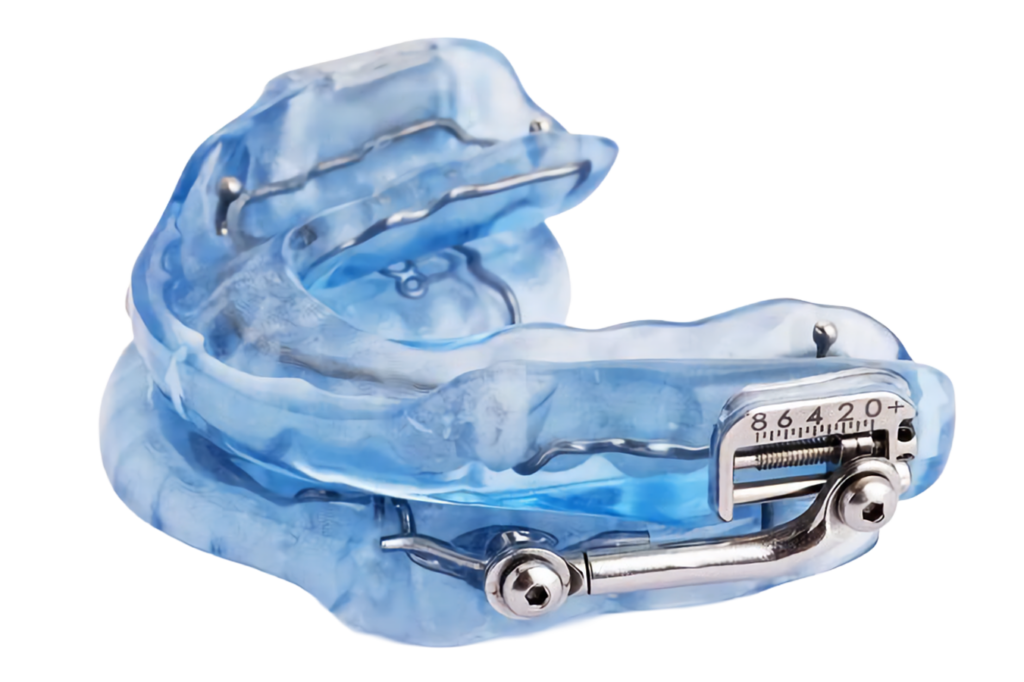
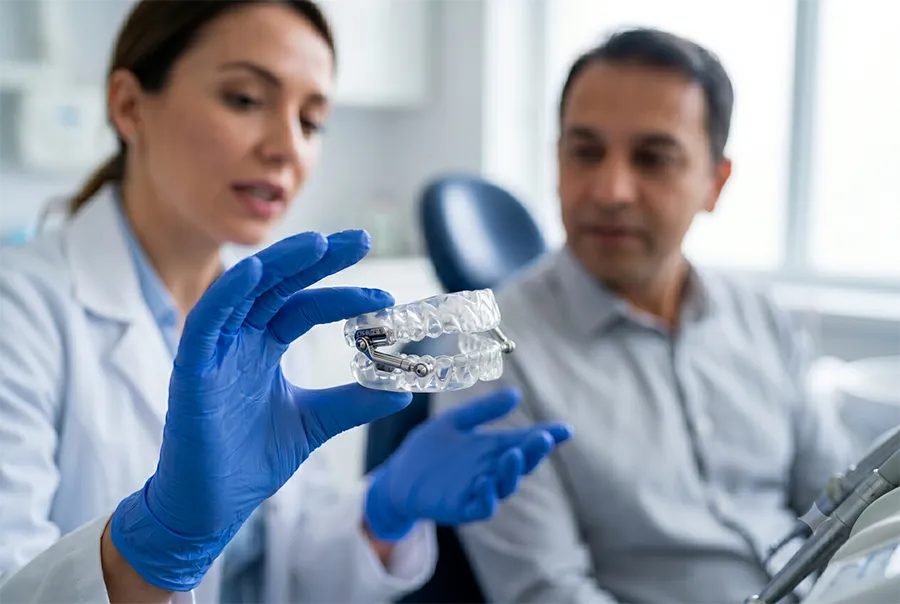
This is the most common appliance. This device is secured to your teeth, and it moves your lower jaw forward. This then pulls the tongue forward and out of the airway.
The size and material of this device can vary, as can whether it is one-piece or two-piece. MADs with two pieces tend to be more comfortable compared to one-piece MADs and allow for more precise adjustments as needed.
There are also over-the-counter MADs that are fitted by heating the appliance in hot water and then forming it to the teeth. We don’t recommend these as they are often uncomfortable, don’t fit right, and don’t effectively treat sleep apnea like they claim to.
The size and material of this device can vary, as can whether it is one-piece or two-piece. MADs with two pieces tend to be more comfortable compared to one-piece MADs and allow for more precise adjustments as needed.
There are also over-the-counter MADs that are fitted by heating the appliance in hot water and then forming it to the teeth. We don’t recommend these as they are often uncomfortable, don’t fit right, and don’t effectively treat sleep apnea like they claim to.
Rapid Maxillary Expansion (RME)
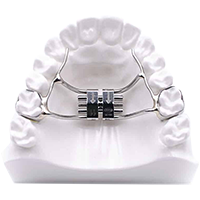
This is a traditional orthodontic treatment device that helps to widen the upper jaw over time. This expander is worn at all times and is most commonly used in children following a comprehensive orthodontic airway plan. Because RME appliances are anchored directly to the teeth, they are highly effective for pediatric growth modification. In adults, RME is an excellent, minimally invasive option for cases that require only mild expansion, or to gently resolve minor crowding without the need for significant skeletal changes to the jawbone.
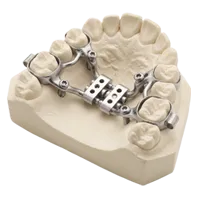
MARPE & MASPE Adult Expansion
For teens and adults whose jawbones have matured, achieving a larger airway requires a highly specialized approach. This is where MARPE and MASPE come in.
MARPE stands for Miniscrew-Assisted Rapid Palatal Expansion. Unlike traditional RME expanders that push against the teeth, a MARPE appliance uses tiny, temporary implants (miniscrews) placed in the roof of the mouth. This allows the device to gently widen the underlying bone of the upper jaw and nasal cavity directly, rather than just tipping the teeth outward. This true skeletal expansion significantly increases nasal volume and opens the airway, providing profound relief for sleep apnea and chronic breathing issues.
MASPE stands for Miniscrew-Assisted Slow Palatal Expansion. It is important to know that MASPE is not a different appliance than MARPE—it simply refers to the way the appliance is activated. While traditional MARPE uses a "rapid" schedule that can cause temporary gaps between the front teeth and uncomfortable pressure, MASPE uses a slow, gentle, and controlled activation protocol. By expanding the palate slowly over a longer period, MASPE encourages natural bone remodeling. This results in a highly comfortable experience, prevents the sudden cosmetic gap between the front teeth, and provides exceptionally stable, long-term improvements to your breathing and sleep health.
MARPE stands for Miniscrew-Assisted Rapid Palatal Expansion. Unlike traditional RME expanders that push against the teeth, a MARPE appliance uses tiny, temporary implants (miniscrews) placed in the roof of the mouth. This allows the device to gently widen the underlying bone of the upper jaw and nasal cavity directly, rather than just tipping the teeth outward. This true skeletal expansion significantly increases nasal volume and opens the airway, providing profound relief for sleep apnea and chronic breathing issues.
MASPE stands for Miniscrew-Assisted Slow Palatal Expansion. It is important to know that MASPE is not a different appliance than MARPE—it simply refers to the way the appliance is activated. While traditional MARPE uses a "rapid" schedule that can cause temporary gaps between the front teeth and uncomfortable pressure, MASPE uses a slow, gentle, and controlled activation protocol. By expanding the palate slowly over a longer period, MASPE encourages natural bone remodeling. This results in a highly comfortable experience, prevents the sudden cosmetic gap between the front teeth, and provides exceptionally stable, long-term improvements to your breathing and sleep health.