Sleep Apnea: Obstructive Sleep Apnea

Obstructive sleep apnea is a common sleep disorder that can
leave you feeling fatigued and irritable despite ample sleep.

 Millions of people live with sleep apnea and may not even know it. Seemingly minor symptoms that are left untreated can lead to serious medical issues over time.

 At Bucks County Dental Sleep Medicine & TMJ Therapy, we offer a comprehensive and modern approach to diagnosing and treating sleep apnea with non-invasive, clinically-proven therapies.

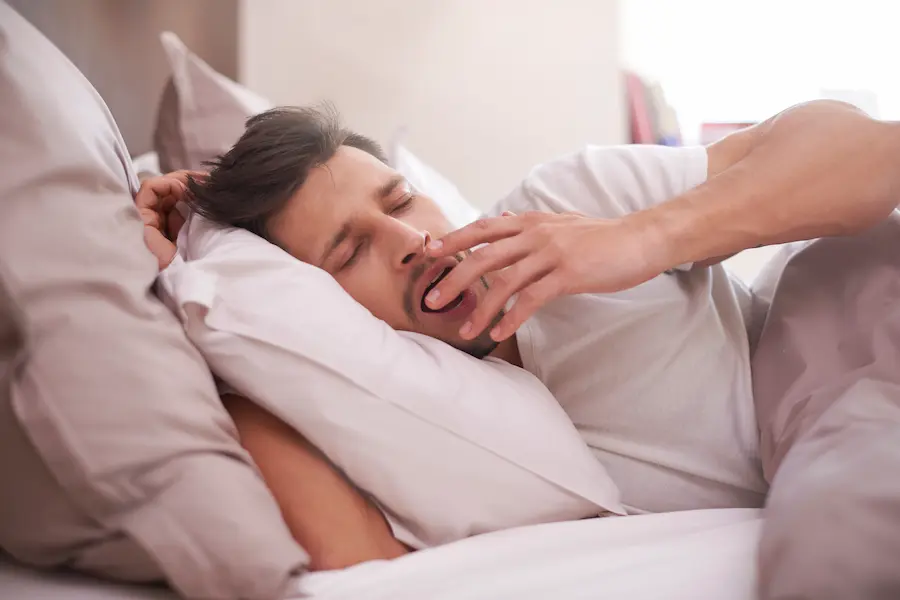
Man with dark hair sleeping in bed

CPAP Alternatives for Sleep Apnea Treatment

Our practice offers several alternatives to CPAP therapy that are just as effective as a CPAP machine, but without the cords, tubes, and mask.

Patients who have an active lifestyle or want to be mindful of others in the home often find success with one of the following treatment options:

mouth icon

Oral Appliance Therapy

Oral appliance therapy is a comfortable treatment for those with sleep apnea caused by jaw and soft-tissue positioning during sleep. Your oral appliance is custom-made for you and looks and feels much like a mouthguard.

The oral appliance works to help by repositioning the lower jaw and tongue. This prevents your airway from being blocked by these tissues, keeping it open during the night and reducing collapsibility of the airway and snoring.

mouth checkmark icon

Myofunctional Therapy

Targeted throat exercises and myofunctional routines strengthen your airway muscles, helping them stay open while you sleep. We work closely with a local myofunctional therapist for our patients who need this type of therapy.
jaw icon

Airway Focused Orthodontics

Airway orthodontics is a common treatment approach for children, helping guide their airway development by addressing the structure of their jaw and dental arches. Methods include palatal expansion, braces, or other orthodontic techniques.

Adults can benefit from airway orthodontics, too, depending on the severity of symptoms and what best fits their needs.
whole body icon

Lifestyle Changes

Certain lifestyle adjustments can also improve your overall health and sleep positioning if these factors are contributing to your sleep apnea.
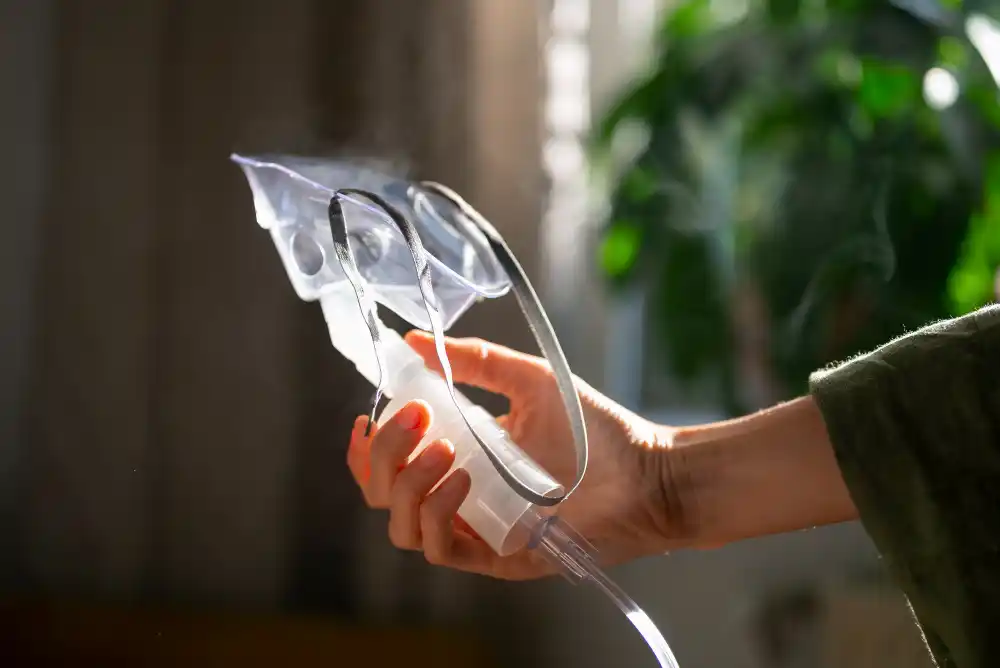
cpap mask

Traditional CPAP Therapy

CPAP stands for continuous positive airway pressure. This therapy is one of the longest-standing treatments for sleep apnea and is incredibly effective.

 Unfortunately, because it involves a mask, a machine, and a need for a power source, a lot of people find it hard to comply with this therapy. CPAP only works if you use it every single night.

 If you have a very active or outdoor-focused lifestyle, a CPAP can be hard to travel with, uncomfortable, and time-consuming to maintain.

Patient-Centered Treatment Plans

Our team looks beyond conventional CPAP therapy, focusing on non-invasive alternatives that are easier to incorporate into your nightly routine and lifestyle.

We prefer to discuss all available treatment options with you and decide together which therapy will be best, which includes traditional CPAP therapy if it’s the best option for you.

Our goal is to help you achieve healthier breathing for healthier sleep and a more comfortable, healthier life.

smiling woman dental patient

FAQs

What are common symptoms of sleep apnea?

You may have sleep apnea if you experience the following:

  • Feeling fatigued
  • Falling asleep in the middle of the day, even during active tasks like driving
  • Irritability
  • Waking up with headaches
  • Very loud snoring
  • Gasping/choking during sleep
  • Difficulty concentrating

When sleep apnea is left untreated, and your breathing is disrupted for long periods of time, you are more at risk of developing:

  • Heart disease
  • Stroke
  • Type 2 diabetes
  • High blood pressure

Yes! While snoring is a very common symptom, not everyone who experiences sleep apnea snores.

Sleep apnea is normally diagnosed with a sleep study (polysomnography). Many sleep studies can now be completed comfortably at home.