Oral Appliance vs. CPAP
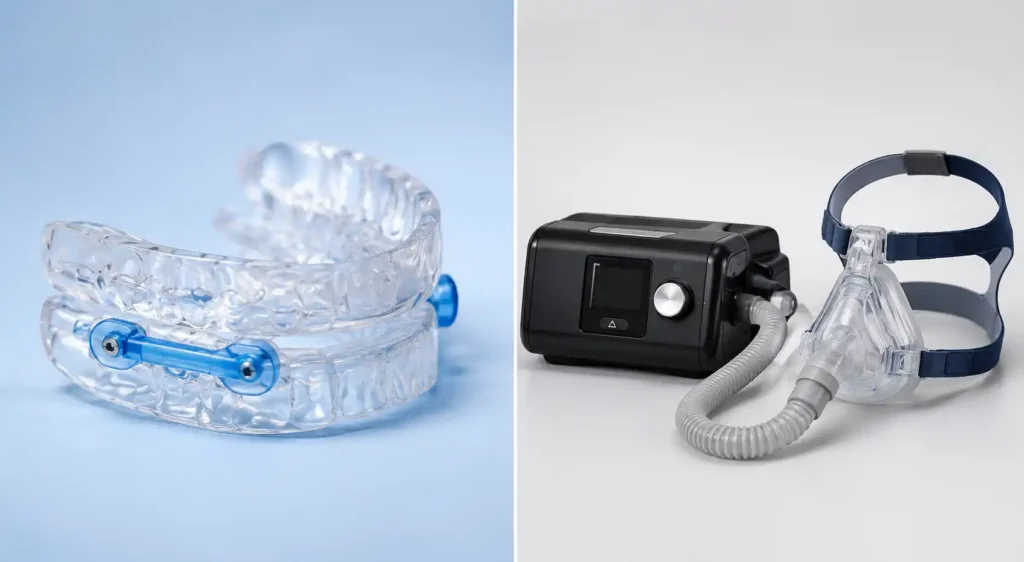
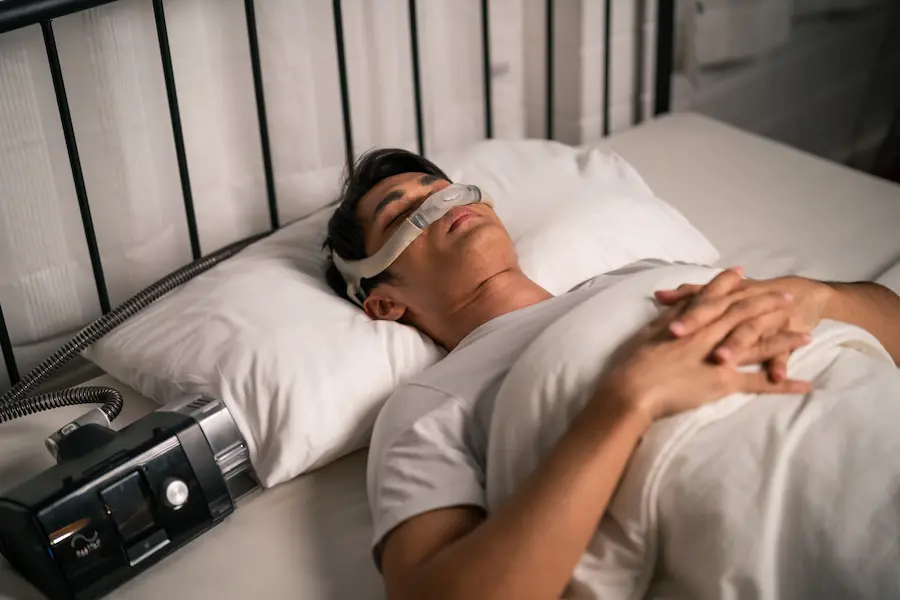
CPAP has been the standard of sleep apnea treatment for decades. The masks have changed a little, and so has the pump size, but many people still struggle to comply with CPAP treatment 100% of the time. Sleep apnea treatments like CPAP rely on patients to use them every night; otherwise, symptoms return almost immediately.
Oral appliances are a popular CPAP alternative, but are best for mild and moderate sleep apnea. These devices work differently from CPAPs and offer certain advantages depending on your lifestyle.
Understanding Sleep Apnea
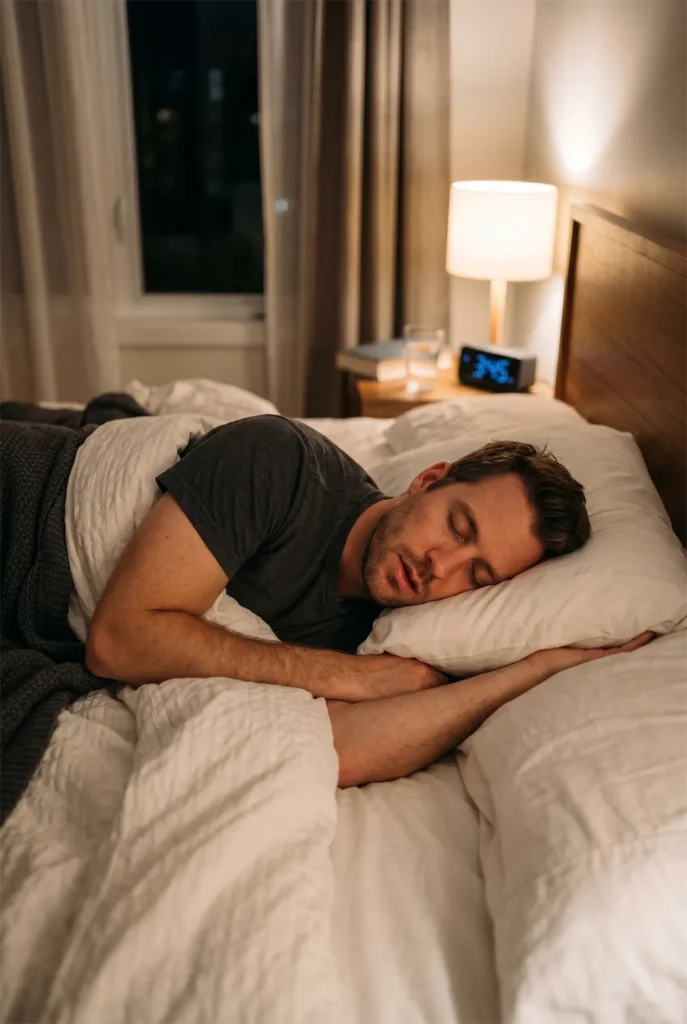
Obstructive sleep apnea is a sleep disorder that causes interrupted breathing during the night. Soft tissues partially or fully obstruct your airway repeatedly throughout the night, leading to reduced oxygen levels.
Sleep apnea can cause a host of symptoms, including:
- Irritability
- Daytime fatigue
- Morning headaches
- Waking up gasping or choking
- Loud snoring
- Dry mouth and throat
Without treatment, sleep apnea leads to serious health complications, such as:
- An increased risk of stroke
- A higher risk of heart disease
- High blood pressure
- Type 2 diabetes
CPAP Therapy vs. Oral Appliance Therapy
It’s important to understand how CPAP and oral appliance therapy work to help you treat sleep apnea, breathe better, and sleep well. Dr. Rickert emphasizes that sleep apnea treatments aren’t a one-size-fits-all solution, and each person needs the therapy that works best for them to be as healthy as possible.
Understanding Sleep Apnea
The main advantages of CPAP include:
- Highly effective for moderate to severe sleep apnea
- Provides continuous airway support to support oxygen levels
- Reduces snoring significantly
Some objections patients have with CPAP are that:
- It requires maintenance, like regular pump, mask, and tubing sanitation
- Masks can often be uncomfortable and can sometimes leak if they don’t fit properly
- The pump needs to have a power source, and it can be difficult to travel with
- The pump noise can disrupt others from their sleep
- Feelings of claustrophobia
- Dry mouth or nasal irritation in the morning after using a CPAP

Pros and Cons of Oral Appliance Therapy
There are a few distinct advantages of oral appliance therapy:
- Silent and discreet
- Easily cleaned and maintained
- It takes up roughly the space of a mouthguard
- Easy to take with you during travel or vacations
- Easier to use every night
Sometimes oral appliance therapy isn’t the right fit, like when:
- There’s severe sleep apnea or other confounding factors
- You’re not able to tolerate wearing an oral appliance comfortably
Combination Therapy –
Oral
Appliance with a CPAP
Combination therapy involves pairing an oral appliance with a CPAP device to treat sleep apnea. We often use this kind of therapy for patients who need a higher CPAP pressure but are unable to tolerate it at that setting, and who are not candidates for only oral appliance therapy alone.
The oral appliance keeps the airway open enough that the CPAP pressure can be lowered while still remaining effective. Higher CPAP pressures are usually what lead to noncompliance, mask leaks, and overall difficulty sleeping. When the CPAP is set to a lower level, it’s quieter and gentler, and patients find it easier to comply with the therapy.
FAQs
Why do so many people quit CPAP?
People find CPAP hard to integrate into their nighttime routine cause they find the mask uncomfortable, experience nasal congestion, or have a very active lifestyle and find it difficult to travel with the machine.
Up to 50% of people who are prescribed CPAP therapy are not compliant with using the machine on a regular basis.
What diseases does sleep apnea lead to?
Sleep apnea causes a drop in the oxygen levels throughout the night as your breathing is interrupted. This, in turn, disrupts your sleep cycle. Chronic, untreated sleep apnea can directly lead to metabolic disorders, cardiovascular issues, stroke, and cognitive dysfunction.
Who is most prone to sleep apnea?
Those who are most at risk of developing sleep apnea are individuals who are:
- Overweight or obese
- Men over 40
- Postmenopausal women
- Those with a family history of sleep apnea
Do oral appliances for sleep apnea really work?
Yes. While CPAP is the best treatment for most people with sleep apnea, it only works if you use it. Many people find oral appliances much more comfortable to use than CPAP machines, and they can be just as effective at treating mild and moderate sleep apnea.